Shopping for a sofa usually starts with style: a colour, a silhouette, a fabric that catches your eye. Style matters, but it is also the easiest thing to judge and the least likely to tell you how a sofa will perform at home. Two sofas side by side in a showroom can look almost identical and still feel completely different once you sit down, and one can hold up for a decade while the other sags within two years.
This guide is for anyone comparing sofas in Victoria who wants a clear way to judge comfort and construction, not just looks. Think of it as a sofa construction guide for shoppers. Walking through cushion fill, frame construction, support systems, and seat proportions in order gives you a far more reliable comparison than a first impression.
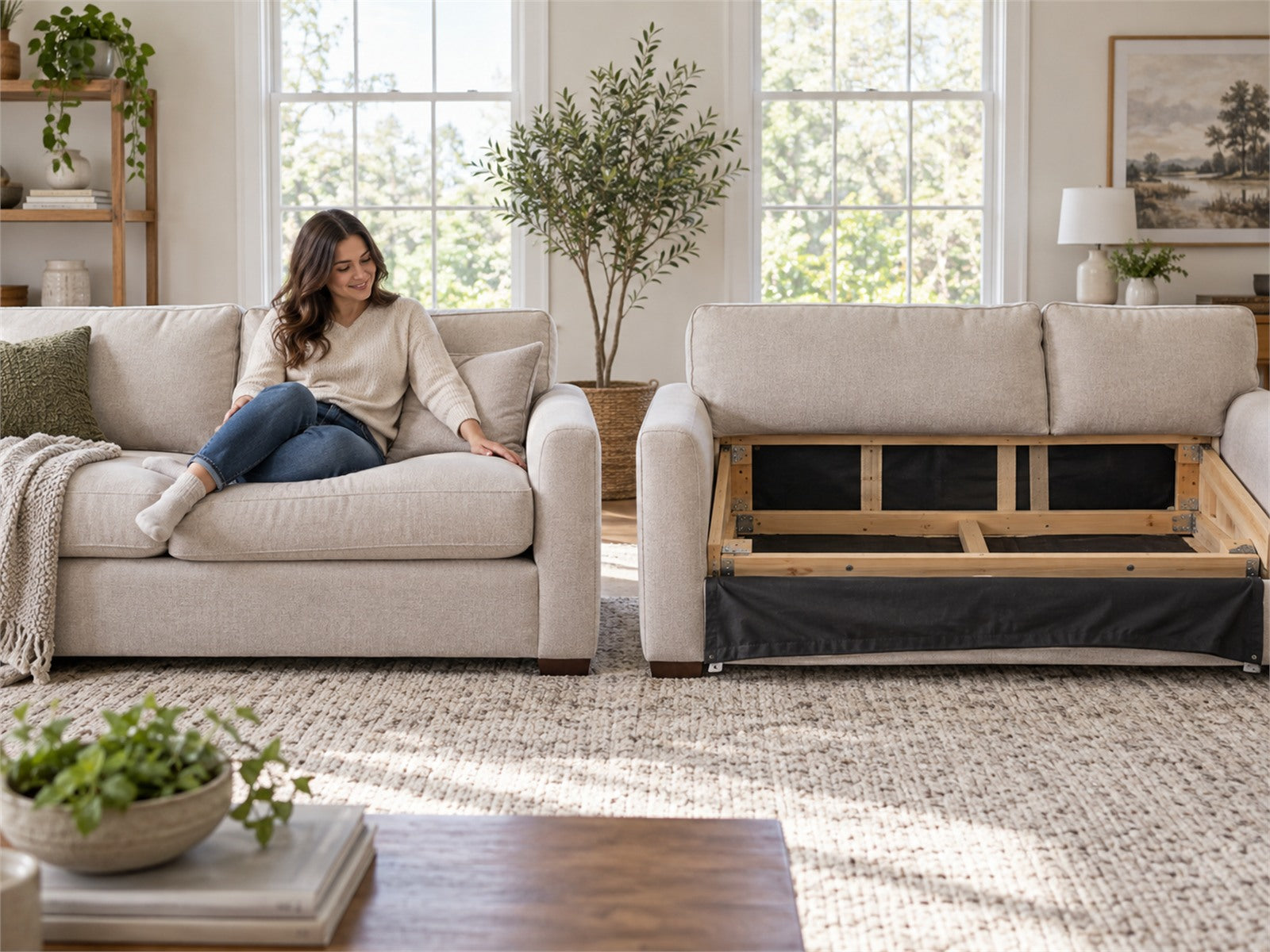
Why Comfort and Quality Need Separate Evaluation
Comfort and quality are related but not the same thing. A sofa can feel plush in a five-minute showroom sit and still be built on a frame that will not survive years of daily use. Just as often, a durable frame is paired with cushions that are too firm or too soft for your taste.
Comparing sofas in Victoria well means asking two questions about every option: does this feel right for how I sit and relax, and is it built to still feel that way in five years? A sofa that only answers one of those questions is not the right choice.
Comparing Cushion Fill for Comfort
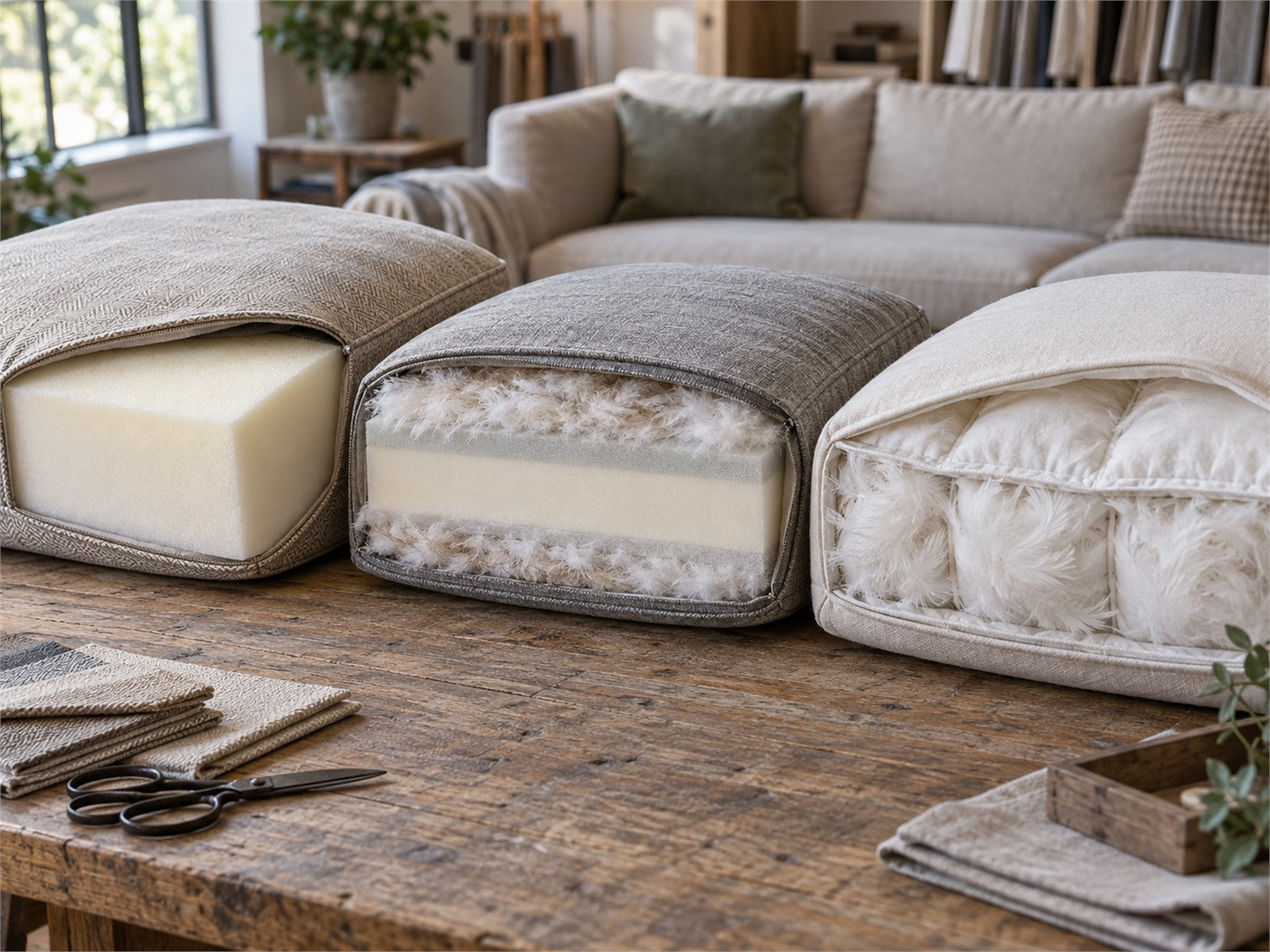
Cushion fill is the biggest factor in how a sofa feels day to day, and it varies more than most shoppers expect. High-density foam holds its shape and gives firm, supportive comfort, while foam wrapped in down or fibre softens the first feel without losing structure. All-down cushions feel the softest but need regular fluffing.
There is no single correct fill, since the right choice depends on preference and use. Someone who reads or works on the sofa may prefer high-density foam, while someone who wants to sink in for movie nights may prefer a foam-and-down blend. Sitting on each option for several minutes is the only reliable way to know.
What Quality Foam Feels Like, and How to Check It
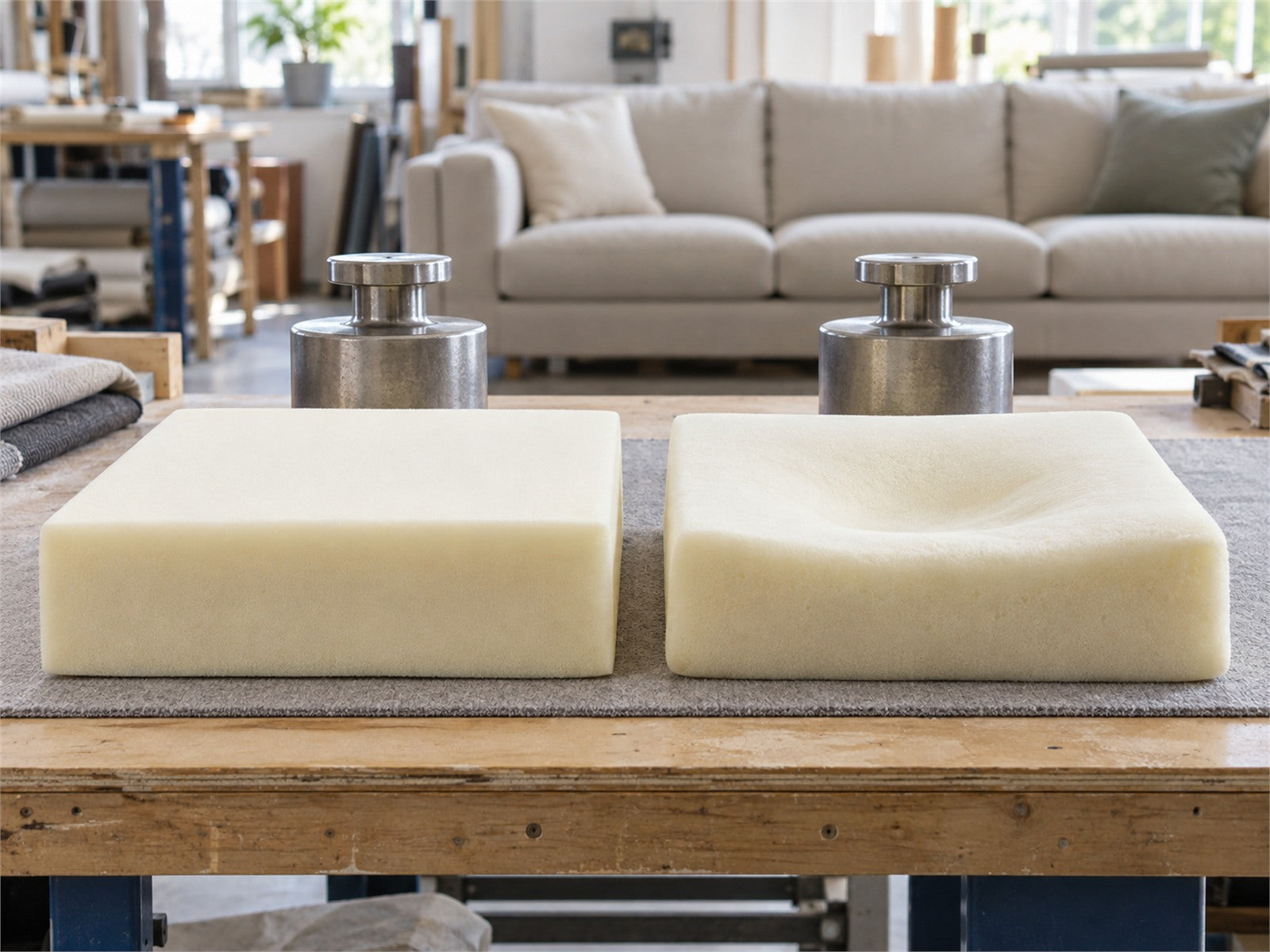
Two cushions that feel similar on day one can age very differently. The measure to ask about is density. For residential seat cushions, foam density usually falls between about 1.5 and 2.5 pounds per cubic foot, and cushions that see daily use generally hold up best at around 1.8 or higher. Lower-density foam feels soft at first but tends to flatten within a year or two.
Resilient foam springs back quickly when you press in and stand up. If a cushion leaves a lasting dent after a few minutes, it may not be up to daily use. Removable, zippered covers are also worth considering if you have kids or pets.
Comparing Frame Construction for Long-Term Quality
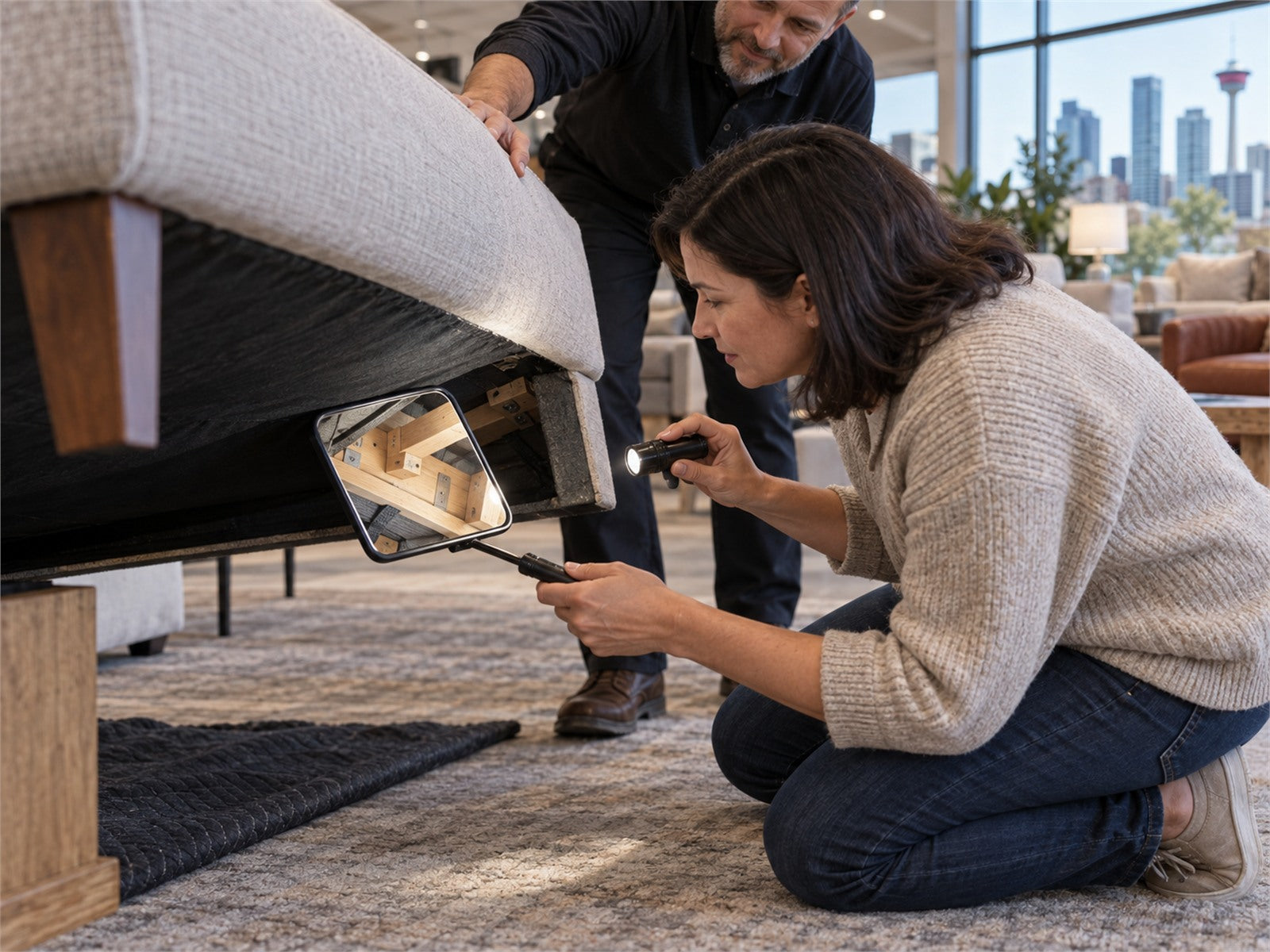
Cushion fill drives comfort, but frame construction decides how long a sofa lasts. Kiln-dried hardwood frames resist warping far better than softwood or particleboard, which matters on Vancouver Island, where damp winters and drier summers make wood expand and contract. Joints that are glued, screwed, and corner-blocked hold up far better than joints held with staples alone.
Ask what the frame is made from and how the joints are assembled, since this detail is hidden under the fabric. A sofa that feels unusually light for its size deserves more questions. These details separate the quality sofas Victoria shoppers can trust from ones that only look sturdy on the floor.
Comparing Support Systems Under the Cushions
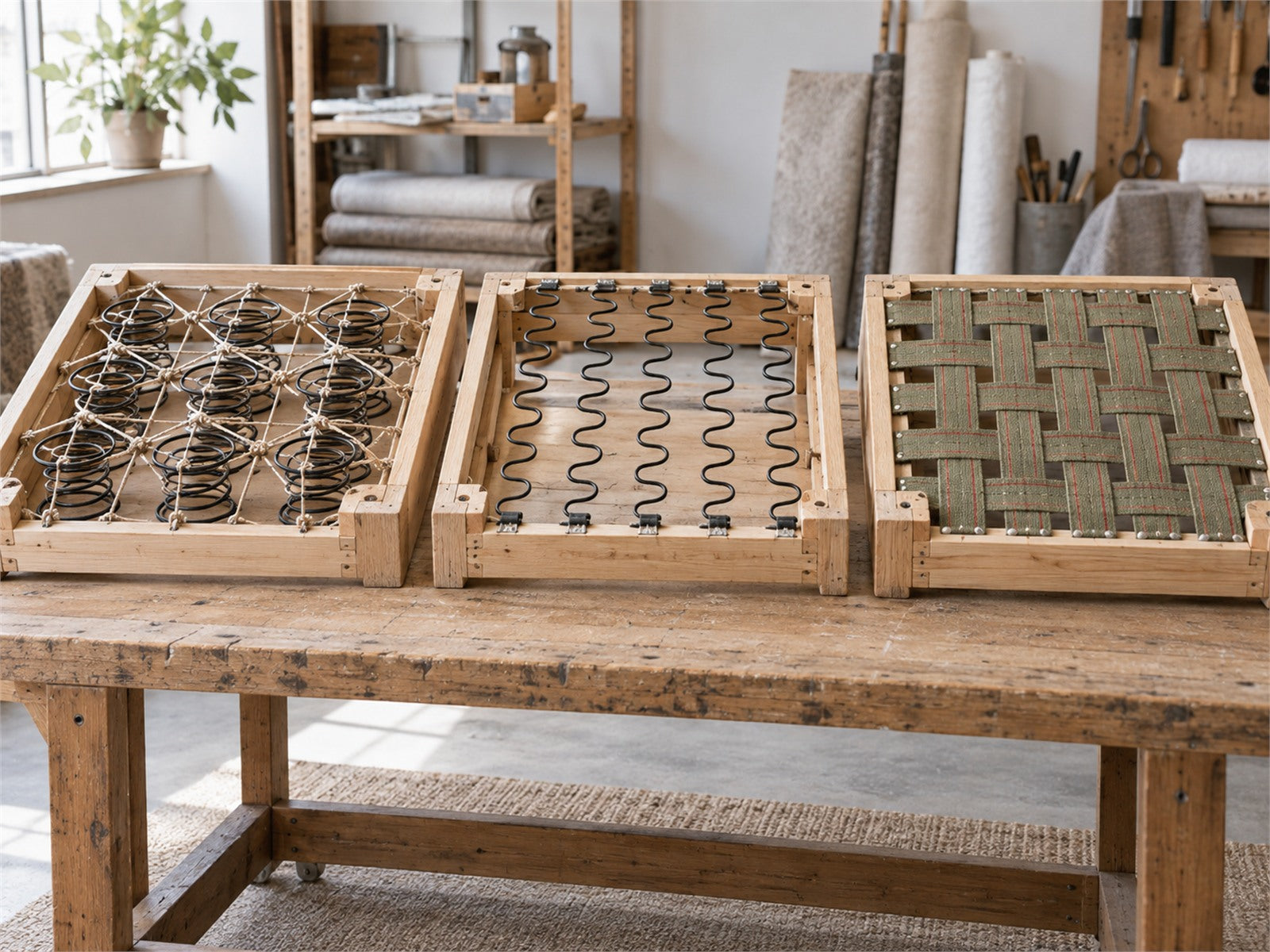
The support system under the cushions matters as much as the cushions. An eight-way hand-tied spring system offers durable, even support and is often considered the highest standard. Sinuous springs, S-shaped wires running front to back, are a common and reliable mid-range option. Webbing alone is the most basic system and tends to wear faster.
Press firmly on the seat deck, away from the cushion, and notice whether it feels springy and consistent or thin. It is a quick way to compare quality sofas Victoria showrooms carry even before you ask about spring type.
Comparing Seat Depth and Proportions

Seat depth affects comfort more than most people realize until they sit down. A deeper seat, generally over 22 inches, suits taller people or anyone who likes to curl up, while a shallower seat gives better back support for shorter people or anyone who prefers to sit upright.
Sit all the way back in each option and check whether your feet stay flat and your back reaches the cushion. Sofas that look similar in photos can differ by several inches in depth, which you can only judge in person.
Sofas in Victoria: Comparing Sleepers, Loveseats, and Modular Pieces
Compare comfort and quality within the right type of sofa for your life. If you host overnight guests often, a sleeper sofa adds a pull-out bed, so open the mechanism and lie on the mattress in the store. Loveseats work well beside a main sofa in a larger room, and modular designs let you add a piece, swap a corner, or split a sectional after a move.
Compact, condo-sized sofas are common in downtown Victoria, where a full-size couch would crowd the room. Whatever the style, measure your room and every entryway before you buy, including condo elevators and the turns in older staircases.
Questions to Ask Before You Buy
Wherever you shop, a good store walks you through construction, delivery, and care honestly and without being pushy. Ask about foam density, frame wood, and spring system, and whether the fabric is a performance fabric that resists stains. If you are considering leather, ask about its grade.
Ask what happens after the sale too: how long delivery takes, whether the sofa arrives ready to use, and what the warranty covers. Reading reviews before you visit tells you a lot about how a store treats its customers.
A Simple Sofa Buying Guide Victoria Shoppers Can Use

A short sofa buying guide Victoria shoppers can bring to any showroom keeps a comparison focused. Sit on each option for several minutes and note how the fill feels. Ask about frame material and joinery. Press on the seat deck to judge support. Sit all the way back to check seat depth. Run your hand across the fabric to judge texture and durability.
Treat it as a pocket sofa construction guide. None of these steps take long, but comparing sofas this way, rather than by how they look from across the room, makes it far more likely you will choose one of the comfortable sofas Victoria households enjoy using every day.
How Showhome Furniture Helps You Compare Sofas
At our Langford showroom, our team can speak directly to frame construction, cushion fill, and support systems on any sofa on the floor. Many of the sofas we carry are Canadian-made, and our custom options let you choose fabric, seat depth, and cushion comfort.
Our free design consultation gives you time with our design team to compare several comfortable sofas Victoria families love side by side, so you choose based on how a piece will perform in your home. If you are comparing sofas in Victoria, book a free design consultation and let us walk you through your options.
Good to know
Frequently Asked Questions
What is the most important factor when comparing sofa comfort?
Cushion fill has the biggest effect on day-to-day comfort, while seat depth decides whether the sofa suits your height and posture.
What foam density should a good sofa cushion have?
For cushions used daily, foam density of around 1.8 pounds per cubic foot or higher generally holds its shape longer than lower-density foam.
What frame material lasts longest?
Kiln-dried hardwood with glued, screwed, and corner-blocked joints lasts far longer than softwood, particleboard, or stapled frames.
Which spring system is best?
Eight-way hand-tied springs are often considered the highest standard, sinuous springs are a reliable mid-range option, and webbing alone is the most basic.
How deep should a sofa seat be?
Seats over about 22 inches suit taller people and loungers, while shallower seats give shorter people better back support.
How long should I sit on a sofa before deciding?
Sit for several minutes in the position you use at home. A quick sit-down will not reveal support or comfort problems.
Are performance fabrics worth it?
For homes with kids or pets, performance fabrics that resist stains and handle regular cleaning are usually worth it.
Should I buy a modular sofa?
Modular sofas suit households that may move or change, since pieces can be added, swapped, or split between rooms.
Does Victoria's climate affect sofa choice?
Yes. Coastal humidity makes wood expand and contract, so a kiln-dried hardwood frame and solid joinery matter more for long-term quality.
Where is Showhome Furniture located?
Our showroom is located in Langford and serves homeowners throughout Victoria and Vancouver Island, including Saanich, Colwood, and James Bay.